

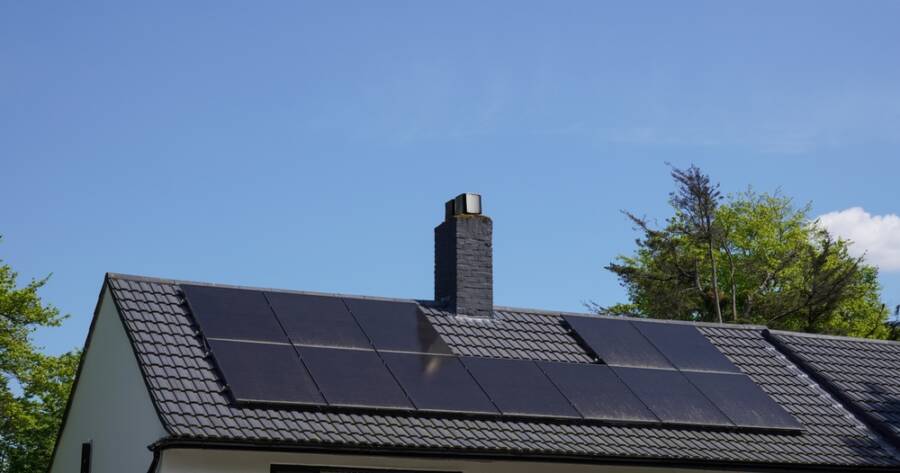
As electricity costs soar, solar energy emerges as a compelling solution for homeowners seeking to cut expenses and embrace sustainability. By evaluating solar potential, understanding consumption, and navigating financing options, individuals can transform their energy approach. Understand how solar energy not only offers immediate savings but also long-term financial and environmental benefits.
Understanding Solar Energy Solutions for Your Home
As electricity costs continue to rise, many homeowners are exploring solar energy as a viable solution to reduce expenses and promote sustainability. Solar energy not only offers immediate savings on electricity bills but also provides long-term financial benefits. By harnessing the power of the sun, homeowners can transform rising electricity costs into substantial savings over time (source).
Assessing Your Home’s Solar Potential
Before investing in solar panels, it’s crucial to assess your home’s solar potential. Factors such as the presence of shade from nearby trees, the roof’s size, shape, and slope, and its orientation play a significant role in determining solar viability. Ideally, a south-facing roof with a slope between 15 and 40 degrees is optimal for solar energy production (source).
Understanding Electricity Consumption and Savings
Analyzing your monthly electricity consumption is essential to estimate potential savings from solar energy. By reviewing your utility bill, you can determine how much electricity you use and how much you could save by switching to solar. The compensation rate for excess solar energy sent back to the grid also affects savings, as it varies by utility (source).
Financing Options and Incentives
There are various financing options available for solar systems, including paying cash, obtaining a personal loan, or entering a power purchase agreement (PPA). Each option impacts the payback period and immediate savings differently. Homeowners who purchase or finance solar systems may qualify for federal tax credits, reducing the overall cost. Additionally, state-specific incentives can further decrease expenses, making solar energy more accessible (source).
Calculating the Solar Payback Period
The solar payback period is a critical factor in evaluating the financial benefits of solar energy. It is calculated by subtracting upfront incentives from the total system cost and dividing by annual savings. A shorter payback period indicates greater financial benefits, especially as electricity costs continue to rise. Solar investments can be more financially attractive than other low-risk investments, particularly when the payback period is under 10 years (source).
Community Solar Options
For those unable to install rooftop panels, community solar offers an alternative. Customers can buy or lease a portion of a community solar array, receiving bill credits for generated electricity without the need for upfront costs or roof ownership. This option provides flexibility and access to solar energy benefits for a broader range of homeowners (source).
Why You Should Learn More About Solar Energy Solutions
Exploring solar energy solutions for your home can lead to significant financial savings and environmental benefits. With rising electricity costs and the availability of various incentives, now is an opportune time to consider solar energy.
By understanding your home’s solar potential, electricity consumption, and available financing options, you can make informed decisions that align with your financial goals and sustainability efforts. Embracing solar energy not only reduces expenses but also contributes to a cleaner, more sustainable future.